Park History
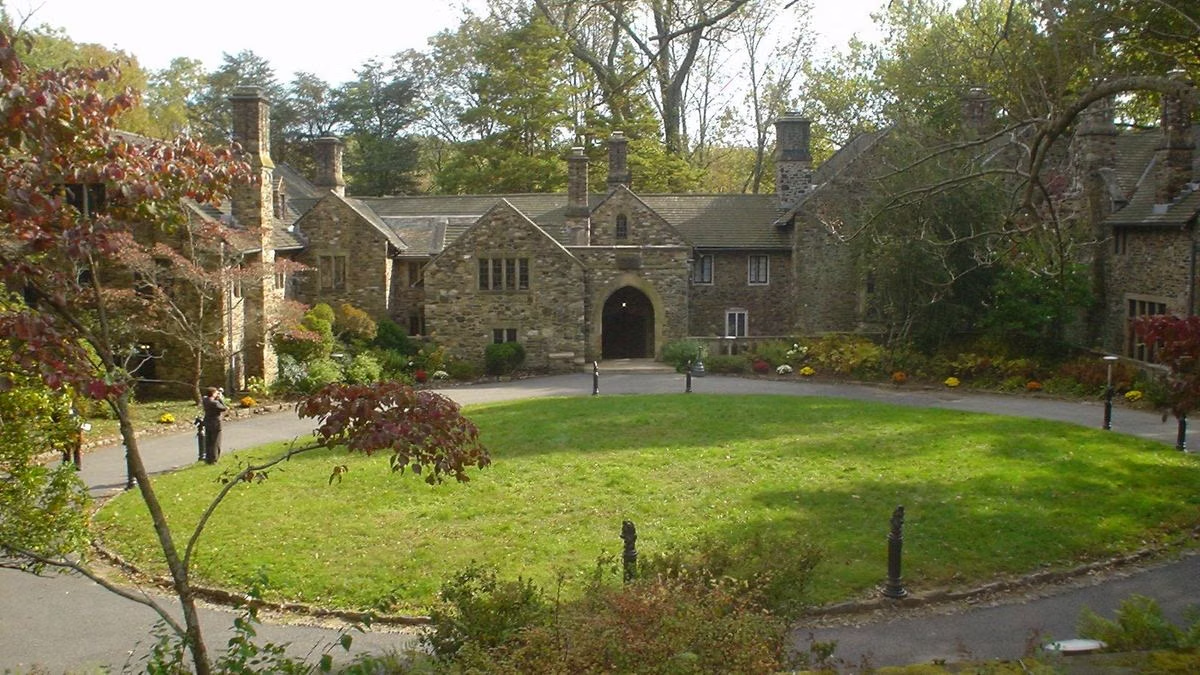
Ridley Creek State Park opened to the public in August 1972 on land Pennsylvania bought in the 1960s with Project 70 funds. The Jeffords family's 1915 Hunting Hill Mansion, built around a 1789 stone farmhouse, is now the park office. Older still is Sycamore Mills, an 18th-century mill village on Ridley Creek. The park's historic core is listed on the National Register of Historic Places as the Ridley Creek State Park Historic District.
History at a Glance
Sycamore Mills: the Mill Village
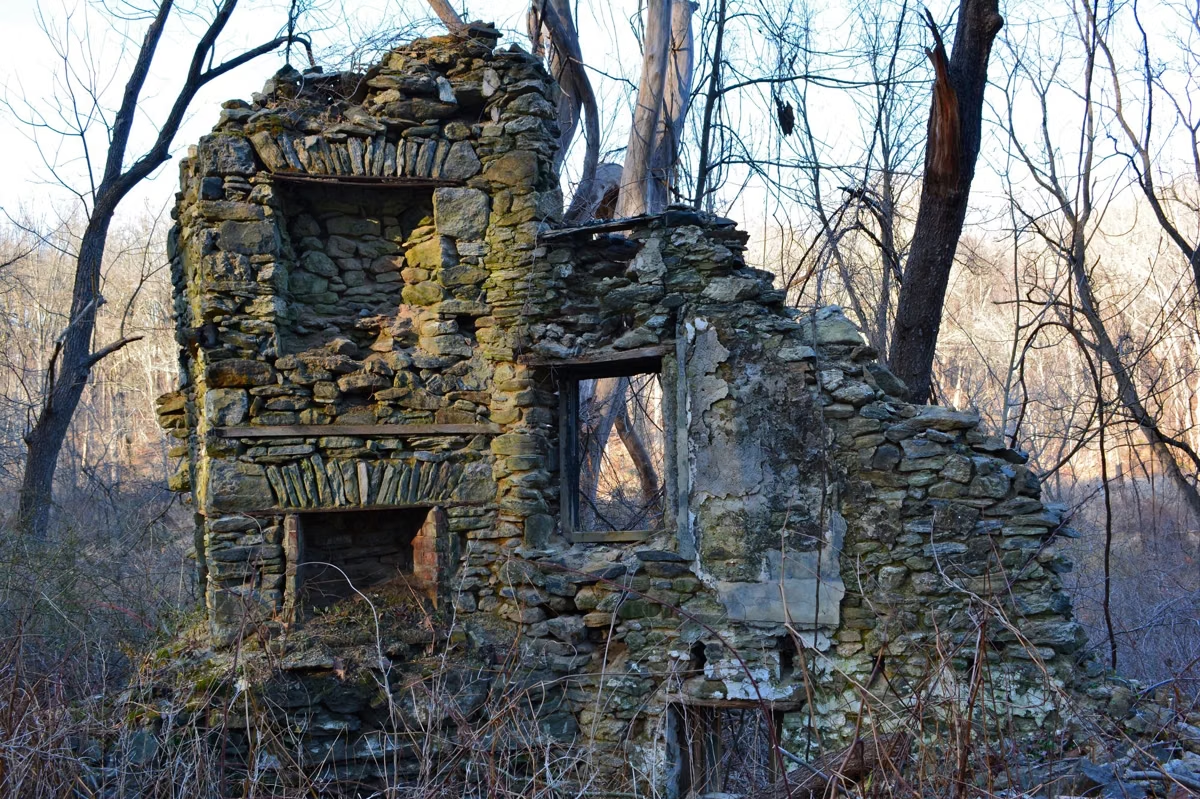
Before the park, there was a mill. A small 18th-century village grew up around a mill site on Ridley Creek, known over time as Bishop's Mill, Providence Mill and now Sycamore Mills. The miller's house, the mill office, a library and several small mill workers' houses still stand and are private residences today (Sycamore Mills).
Farms Before the Revolution
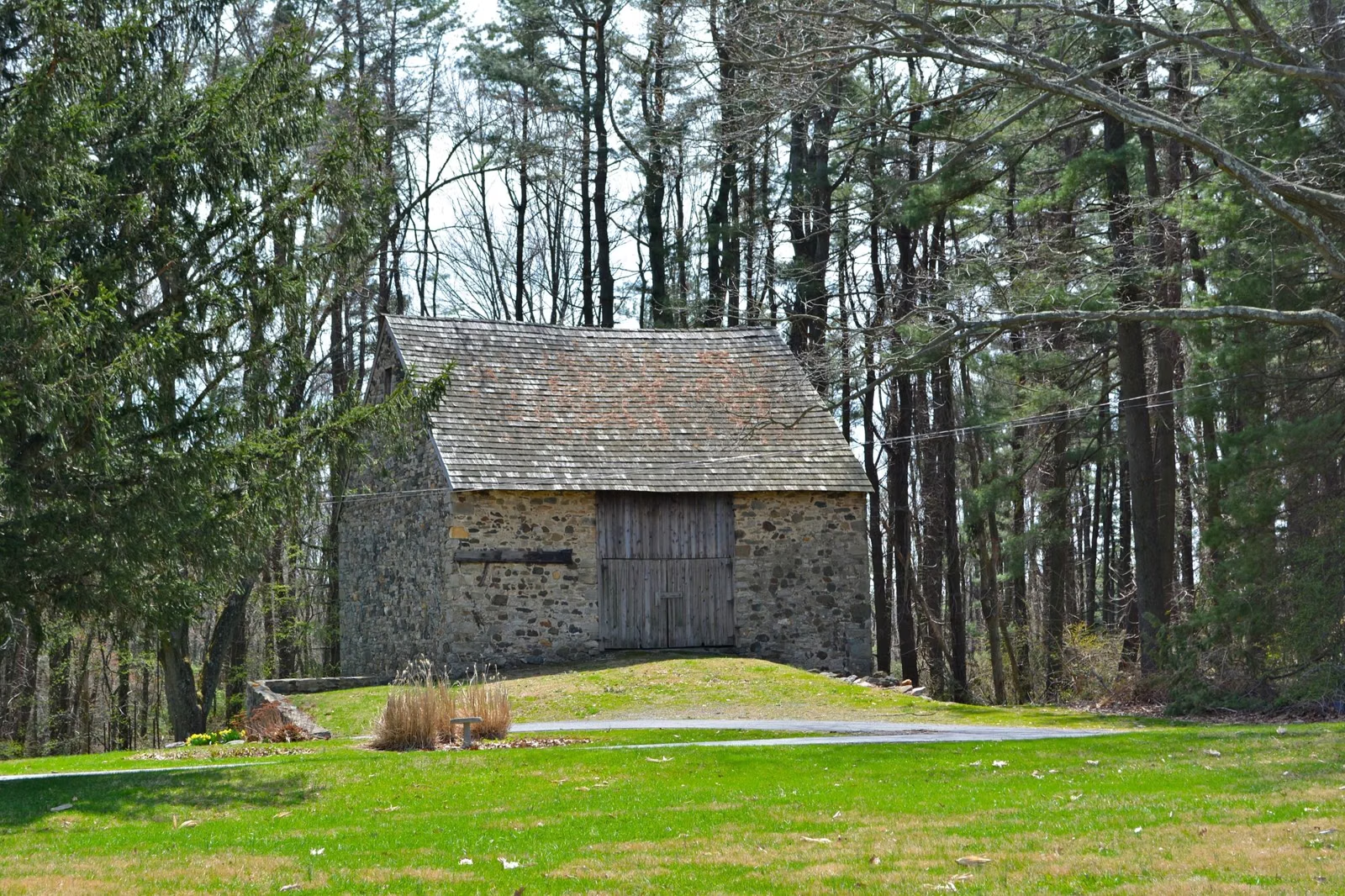
Farming here goes back centuries. The Colonial Pennsylvania Farmstead inside the park has been a working farm for more than 300 years and shows Delaware County farm life before the American Revolution.
Hunting Hill: the Jeffords Estate
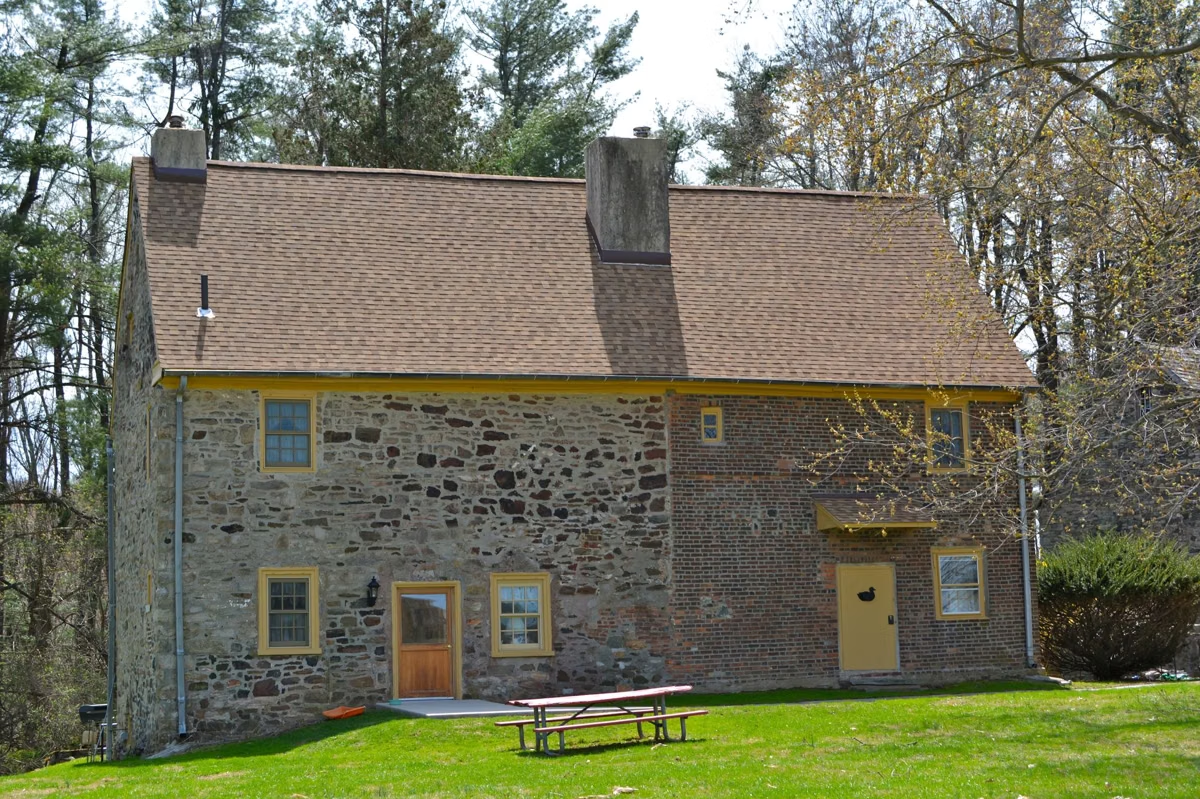
In 1915 the Jeffords family enlarged a 1789 Pennsylvania stone farmhouse into Hunting Hill, a large English country manor. The original Hunting Hill property owners kept roughly 2,000 acres of lawn and forest, with formal gardens, horse stables and trails, many of which can still be seen. The mansion's gray stone became the model for the park: the gray stone facade is repeated on structures throughout the park (Hunting Hill Mansion).
Becoming a State Park
The Commonwealth bought the land in the 1960s with Project 70 funds and developed the park with Land and Water Conservation Fund money. The park's facilities were dedicated to public use in August 1972. Today it covers more than 2,606 acres of Delaware County woods and meadows, 16 miles from Center City Philadelphia, managed by DCNR's Bureau of State Parks.
A Botanical Footnote
The rarest tree in the park, the Franklin tree beside the mansion, carries its own Philadelphia history. John and William Bartram found the species in Georgia in 1765, and William later grew it from seed in Philadelphia; the tree vanished from the wild by 1803 and survives only in cultivation (Wildlife & Trees).
About This Website
This site is an independent visitor guide. It is not run by or affiliated with Pennsylvania DCNR. Facts come from DCNR's official pages and park map; where they disagree, we say so. For official alerts, check DCNR's Ridley Creek page.
Park History FAQ
When did Ridley Creek State Park open?
Its facilities were dedicated to public use in August 1972, after the state bought the land in the 1960s with Project 70 funds.
Who built the mansion at Ridley Creek State Park?
The Jeffords family, in 1915, around a 1789 Pennsylvania stone farmhouse. Hunting Hill Mansion now holds the park office.
Is Ridley Creek State Park a historic district?
Yes. DCNR says the park area is listed on the National Register of Historic Places as the Ridley Creek State Park Historic District.