Wildlife & Trees
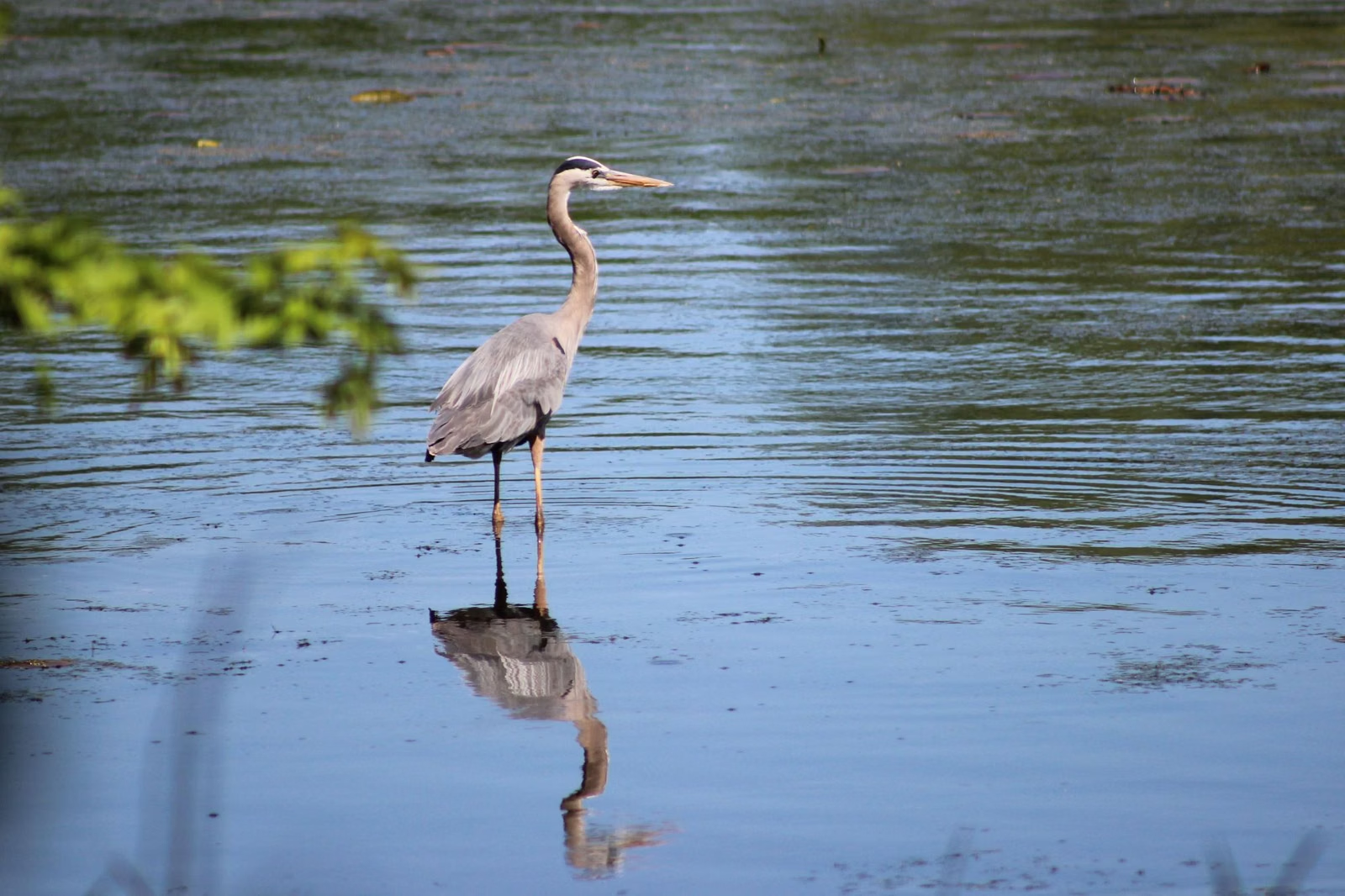
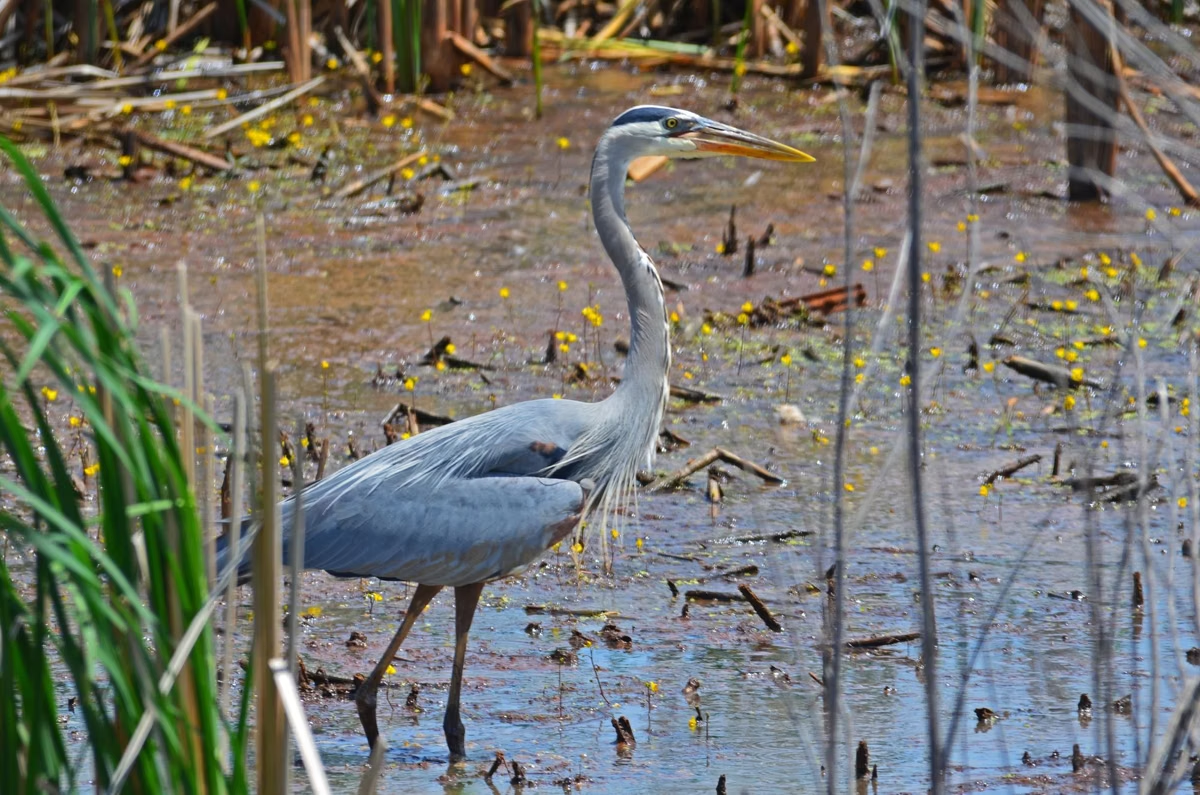
Ridley Creek State Park's 2,600 acres of woods, meadows, wetlands and creek are a pocket of habitat in suburban Delaware County. White-tailed deer are common, along with foxes, raccoons, rabbits and squirrels, and great blue herons fish along Ridley Creek. The forest includes big old trees, some dating to colonial times, and the park's rarest plant is the Franklin tree beside Hunting Hill Mansion, a species that has been extinct in the wild since about 1803.
Nature at a Glance
Habitats
DCNR lists four habitat types in the park:
- Old-growth and newer forest
- Fields and meadows
- Wetlands
- The Ridley Creek corridor
That mix of forest and open ground suits the deer, rabbits and songbirds DCNR lists as common here.
Birds
Great blue herons are regulars on the creek. DCNR publishes a Common Birds of Ridley Creek State Park brochure that lists the birds you are most likely to see and in which habitat; download it from DCNR before a birding walk. DCNR notes that many songbirds can be seen and heard in the park.
Trees
The canopy is oak, beech, walnut, maple, sycamore, hickory and tulip poplar, over an understory of dogwood, spicebush and witch hazel that gives the woods color in spring and fall. Some of the large trees date back to colonial times. DCNR notes that many non-native trees and plants in the park were planted for landscaping many years ago.
The Franklin Tree
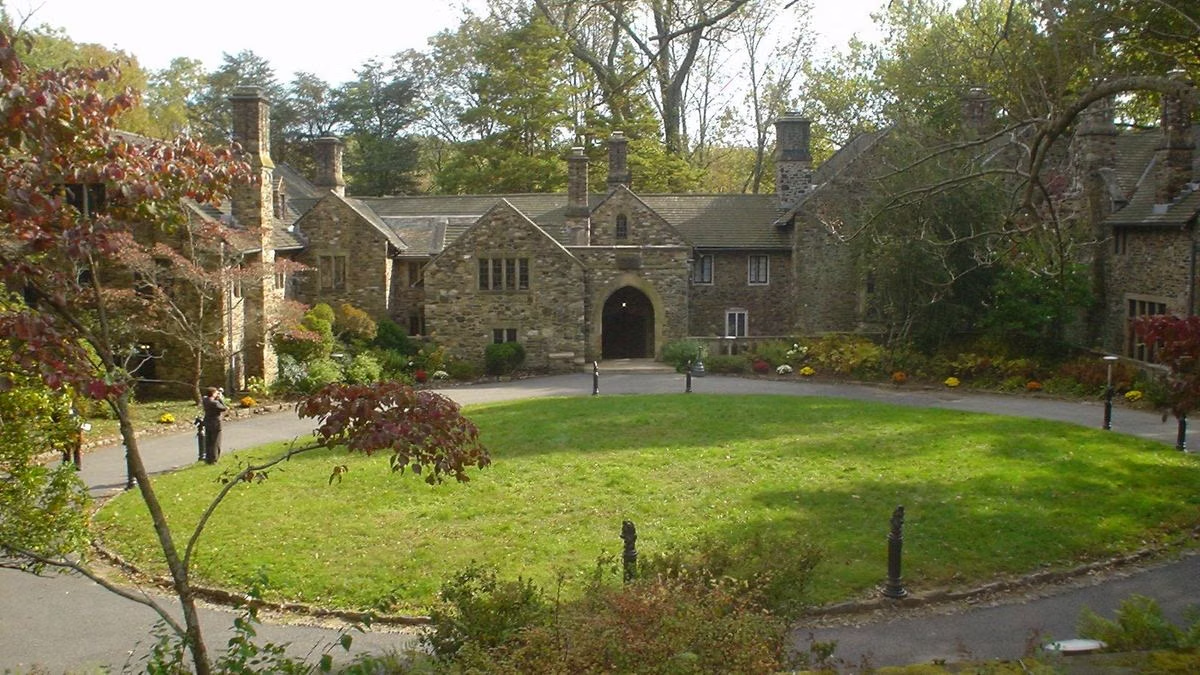
By the Hunting Hill Mansion stands a large Franklin tree, *Franklinia alatamaha*. It is short, with big shiny leaves that turn orange and red in fall, and white flowers that open in early autumn. John and William Bartram found the species in one spot in Georgia in 1765. A decade later William collected seeds and grew them in Philadelphia. By 1803 the tree had vanished from the wild, so every Franklin tree alive today descends from the Bartrams' plants. They named it for their friend Benjamin Franklin.
Where to Watch
- The paved Sycamore Mills Road Trail runs beside the creek and fields, and DCNR names it as the accessible route for wildlife viewing.
- The White Trail for woodland birds.
- The meadows and fields near the picnic areas early and late in the day for deer.
Help Protect the Park
The spotted lanternfly has reached this area. Before you leave, check your car and gear and destroy any you find. Use local firewood only.
Wildlife & Trees FAQ
What animals live in Ridley Creek State Park?
White-tailed deer are common, with foxes, raccoons, rabbits, squirrels, great blue herons and many songbirds, according to DCNR.
What is the rare tree at Ridley Creek State Park?
A large Franklin tree (Franklinia alatamaha) by Hunting Hill Mansion. The species has been extinct in the wild since about 1803; all living trees descend from plants grown by John and William Bartram.
Is Ridley Creek State Park good for birding?
Yes. DCNR publishes a Common Birds brochure for the park, and herons and songbirds are common along the creek and meadows.